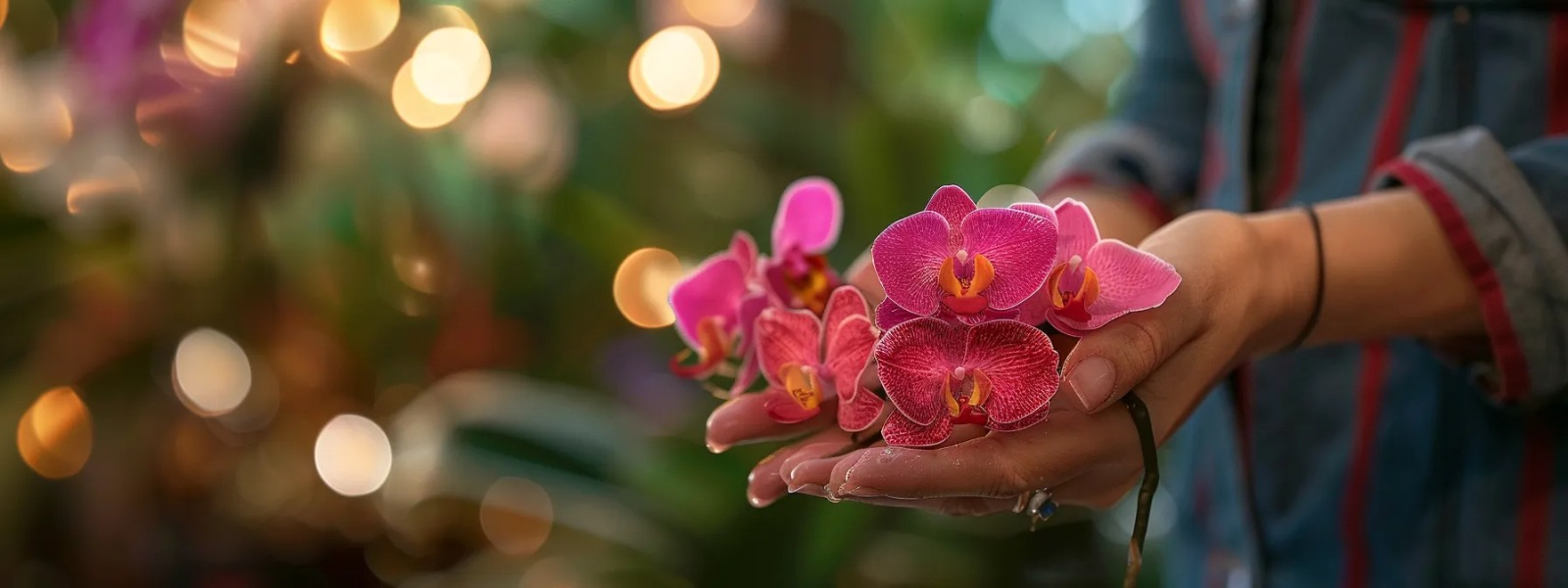
Decor enthusiasts know the transformative power of a well-placed artificial orchid, offering timeless beauty without the upkeep. However, the quest for the perfect faux blossom can be as intricate as the real thing, with quality varying widely across products.
Discerning beauty enthusiasts seeking the allure of artificial orchids need guidance to distinguish the high-grade from the mediocre. In this article, we unveil the key features that contribute to the most authentic-looking orchids for your decor aspirations.
Selecting Realistic Artificial Orchids: Key Features to Consider
When shopping for artificial orchids, a good starting point is to examine their overall appearance against live orchids. The goal is to find faux orchids that mimic the vitality and presence of their living counterparts. Subtle gradations in color, a natural growth pattern, and the right scale in relation to the pot and surrounding elements should be non-negotiable in your selection criteria.
Attention to stem and leaf structure contributes significantly to the realism of artificial orchids. Real orchids have leaves that are thick, waxy, and often have a slight sheen, as well as stems that are sturdy yet flexible. artificial orchids that look real Opt for materials that reproduce these characteristics, such as high-quality silk or latex, to enhance the lifelike illusion.
Lastly, when choosing artificial orchids, consider their intended setting. Whether it’s a focal piece in a living room or an accent in a dimly lit bathroom, select orchids tailored to the light and space available. High-quality faux orchids should maintain their allure from every angle, in any light, just like a living orchid would.
Texture and Material Authenticity in Faux Orchids
The texture and materials of artificial orchids are paramount in convincing the eye of their authenticity. High-caliber faux orchids often boast delicate intricacies such as veining on petals and realistic root systems. These details can make the artificial nature of the plant virtually undetectable, even upon close inspection.
Manufacturers who prioritize quality use advanced techniques and materials to replicate the soft, supple texture of orchid petals, often using silk or a silk-polyester blend. The right texture not only looks authentic but feels convincing to the touch—a crucial factor for those who seek a tactile experience similar to handling real blooms.
Conducting a touch test is a sensible method to gauge material authenticity. If the petals feel too rigid or excessively plastic, the illusion of a live orchid wanes. Instead, seek out specimens where the petal material has a gentle, fabric-like give, akin to the velvety tactility of a genuine orchid petal.

Color Fidelity: Matching Natural Orchid Hues
In the realm of faux florals, color fidelity is a testament to quality. Orchids come in a magnificent spectrum of colors, and top-notch artificial versions should reflect these hues accurately, from the vibrant purples and pinks to the more subdued earth tones. The best artificial orchids also feature color variations within each petal, just like their natural counterparts.
Continuous advances in dyeing processes have allowed for a more sophisticated color palette in artificial orchids. The most realistic ones boast pigmentation that mimics the natural gradient found in real orchid blooms, avoiding any unnatural blockiness or harsh transitions of color. Lifestyle trends indicate that detail-oriented coloration is often a distinguishing factor of premium artificial flora.
When examining color fidelity, assess the orchid under different lighting conditions to ensure the hues remain consistent and resemble those of a natural orchid. It’s also valuable to consider the fade resistance of the dyes used, as high-quality artificial orchids should maintain their vibrant coloration for years to come.
Lifelike Details: How to Spot High-Quality Artificial Orchids
The devil is in the details when identifying superior artificial orchids. Minute attributes such as realistic pollen nodules, subtle variations in petal thickness, and even the authenticity of the dirt or moss in the pot contribute to an overall convincing appearance. These seemingly minor elements play a significant role in emulating an organic look.
Moreover, high-grade artificial orchids will not overlook the importance of a proportionate and naturally structured root system. Imitation moss or roots should complement the orchid, intricately laid out to simulate the way orchids anchor themselves in nature. Craftsmanship that respects the biology of real orchids typically translates into more realistic-looking replicas.
One actionable step for enthusiasts is to view a variety of real orchids for reference before shopping. Familiarizing oneself with the nuanced details of these exotic flowers ensures a well-informed purchase. It’s also useful to study botanical characteristics of different orchid species to further refine one’s eye for authenticity.
Overall, the search for the perfect artificial orchids boils down to a keen eye for detail, knowledge of the nuances of real orchids, and understanding the art of imitation. Careful consideration of texture, color fidelity, and lifelike details will ensure that the artificial orchids you bring into your home are indistinguishable from the real blooms, captivating guests and satisfying the beauty enthusiast’s keen aesthetic sense.