Introduction
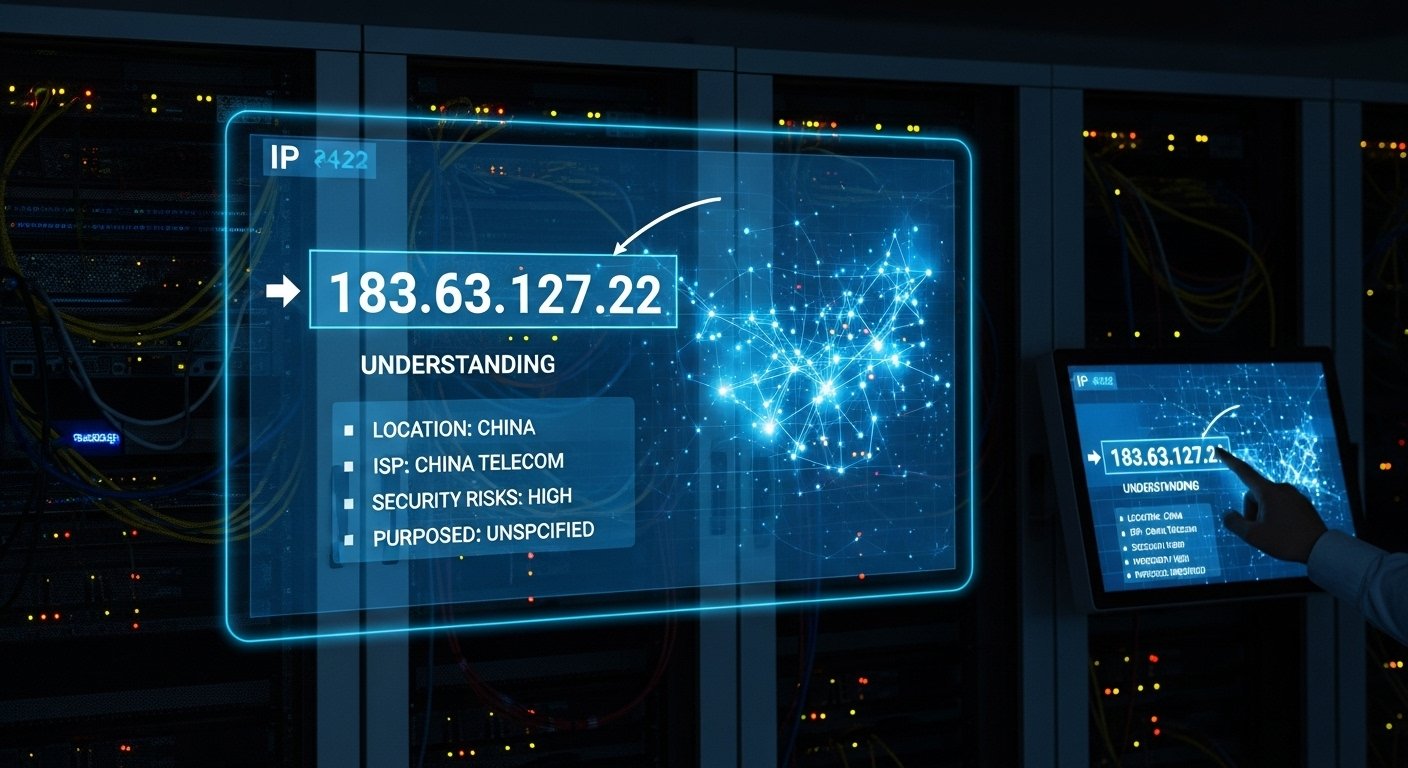
The IP address 183.63.127.22 often appears in server logs, analytics dashboards, or security reports, raising questions about what it represents and why it matters. Whether you are a website owner, network administrator, or a curious digital professional, understanding how a specific IP address functions can help you make smarter technical and security decisions.
What Is an IP Address and Why It Matters
An IP address is a numerical identifier assigned to a device connected to a network. It allows systems to locate and communicate with each other across the internet. When you see a precise address like 183.63.127.22, it usually points to a unique source or destination of online activity. Recognizing these addresses helps diagnose issues, trace traffic sources, and maintain stable network performance.
Geographic and Network Context
Every public IP address is allocated within a specific regional block managed by internet authorities. The address 183.63.127.22 belongs to a range typically associated with large-scale network providers. This does not mean it identifies a single person. Instead, it often represents infrastructure such as data centers, enterprise networks, or shared service providers. Understanding this distinction prevents misinterpretation and unnecessary concern.
Common Reasons You Might See This IP
Website owners frequently notice addresses like 183.63.127.22 in access logs. This can happen due to normal user visits, automated tools, or background services indexing content. Developers and system administrators also encounter such IPs during debugging, monitoring uptime, or reviewing server performance metrics. In most cases, the presence of 183.63.127.22 simply reflects routine network communication.
Is 183.63.127.22 a Security Risk?
An IP address by itself is not inherently dangerous. The real concern lies in behavior. If 183.63.127.22 appears repeatedly with unusual request patterns, failed login attempts, or excessive traffic, it may require closer inspection. Security teams analyze frequency, timing, and request types before deciding whether to block or allow an address. Balanced judgment is key to avoiding false positives that could disrupt legitimate access.
How Professionals Analyze IP Activity
Experts rely on logs, firewalls, and monitoring tools to interpret activity from addresses like 183.63.127.22. They look for consistency, volume, and alignment with expected usage. For example, a steady stream of requests to public pages is normal, while rapid requests to restricted endpoints may raise alerts. This structured approach ensures that responses are based on evidence rather than assumptions.
Role in SEO and Analytics
From an SEO perspective, IP addresses can influence how traffic data is interpreted. Visits from 183.63.127.22 might represent genuine users, automated systems, or testing tools. Analysts filter and segment traffic to maintain accurate insights. Understanding how 183.63.127.22 fits into your analytics helps refine reporting without skewing performance metrics.
Best Practices for Handling Unknown IPs
When encountering an unfamiliar address such as 183.63.127.22, start by observing rather than reacting. Document activity patterns, check server response times, and ensure security rules are updated. Blocking should be a last resort after confirming harmful behavior. This measured strategy keeps networks secure while preserving accessibility.
Legal and Ethical Considerations
It is important to remember that an IP address does not equate to personal identity. Treating addresses like 183.63.127.22 responsibly aligns with privacy standards and ethical data handling. Professionals should focus on technical behavior, not assumptions about individuals or organizations.
Conclusion
The IP address 183.63.127.22 is a technical identifier that gains meaning only through context. By understanding how IP addresses work, why they appear, and how to evaluate their activity, you can make informed decisions that balance security, performance, and user experience. Instead of viewing such addresses with suspicion, approach them with analysis and clarity for better digital outcomes.