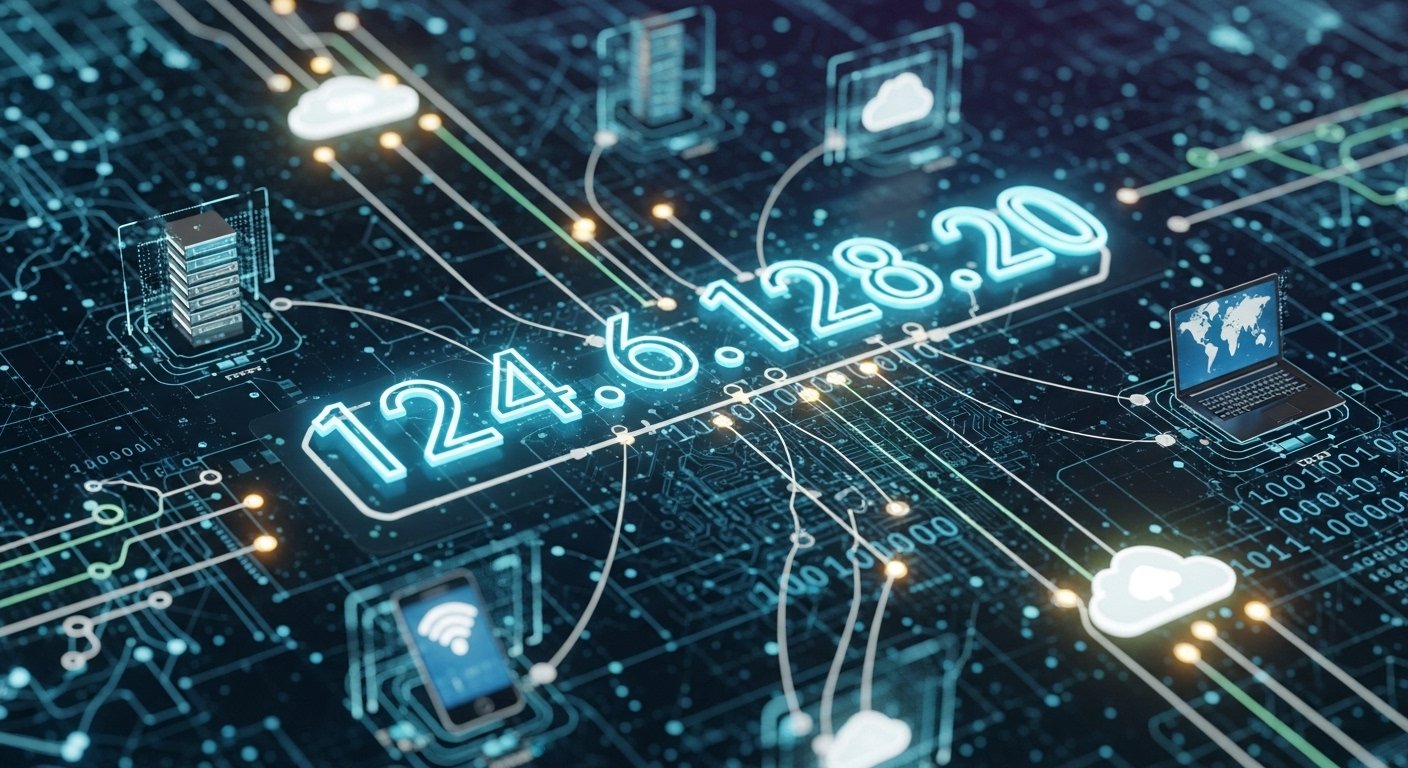
Introduction
The keyword 124.6.128.20 may look like a random string of numbers, but it actually follows a well-defined digital structure that plays an important role in modern networking. At first glance, many people assume it is just a technical identifier with no real-world relevance, yet this type of value is deeply connected to how devices communicate across networks. Understanding how it works, where it is used, and why it matters can help professionals, learners, and curious readers make better sense of digital systems.
What Is 124.6.128.20?
At its core, 124.6.128.20 is an IPv4-style numerical address. IPv4 addresses are built from four numeric segments separated by dots, each segment ranging from 0 to 255. This structure allows networks to identify devices and route information accurately. When a system references 124.6.128.20, it is pointing to a specific location within a networked environment, whether that environment is public, private, or internal.
Unlike usernames or domain names, numerical addresses are designed for machines rather than humans. They enable fast processing and precise routing, which is essential for data transmission at scale.
Why Addresses Like This Exist
The internet and private networks rely on numerical addressing to avoid confusion. If every device tried to communicate using descriptive names alone, routing data would become inefficient. 124.6.128.20 represents one such unique identifier that ensures data packets reach the correct destination without delay or misdirection.
These addresses also help network administrators manage traffic, control access, and troubleshoot connectivity issues. By analyzing an address like 124.6.128.20, professionals can determine patterns, identify misconfigurations, or isolate security risks.
Practical Uses in Networking
In real-world scenarios, 124.6.128.20 may appear in server logs, firewall rules, or diagnostic tools. Administrators often review such entries to monitor activity, block unwanted access, or optimize performance. Because each address is unique within its scope, it becomes a reliable reference point for technical decisions.
For developers and IT teams, working with 124.6.128.20 might involve configuring applications, testing network paths, or simulating traffic flows. Even outside enterprise environments, home networks rely on similar addressing principles every day.
Security Considerations
From a security perspective, addresses like 124.6.128.20 can reveal patterns of access or potential threats. Monitoring repeated requests from the same address may indicate automated behavior, while unexpected activity could signal misconfigured services. This makes understanding 124.6.128.20 valuable for anyone involved in cybersecurity or system administration.
However, it is important to remember that a numerical address alone does not identify a person. It represents a device or connection point, not an individual, and its meaning can change depending on network context.
Educational Value for Learners
For students and beginners, 124.6.128.20 serves as a practical example when learning about IP addressing. Seeing a real-formatted address helps bridge the gap between theory and application. By breaking down how 124.6.128.20 fits into the broader addressing system, learners gain a clearer understanding of subnetting, routing, and network hierarchy.
This hands-on familiarity makes advanced concepts easier to grasp later, especially when moving into topics like network security or cloud infrastructure.
Common Misunderstandings
A frequent misconception is that 124.6.128.20 always points to the same physical location. In reality, addresses can be reassigned, routed differently, or used internally without any public exposure. Another misunderstanding is assuming that every such address is dangerous or suspicious, which is not accurate. Context always matters.
Understanding these nuances helps users interpret technical data more responsibly and avoid unnecessary assumptions.
Conclusion
The value 124.6.128.20 is more than a random number sequence. It represents a structured, functional component of modern networking that supports communication, security, and system organization. By learning how addresses like 124.6.128.20 are formed and used, readers gain insight into the invisible infrastructure that keeps digital systems running smoothly. Whether you are a professional, a student, or simply curious, understanding this concept adds clarity to the way networks operate.